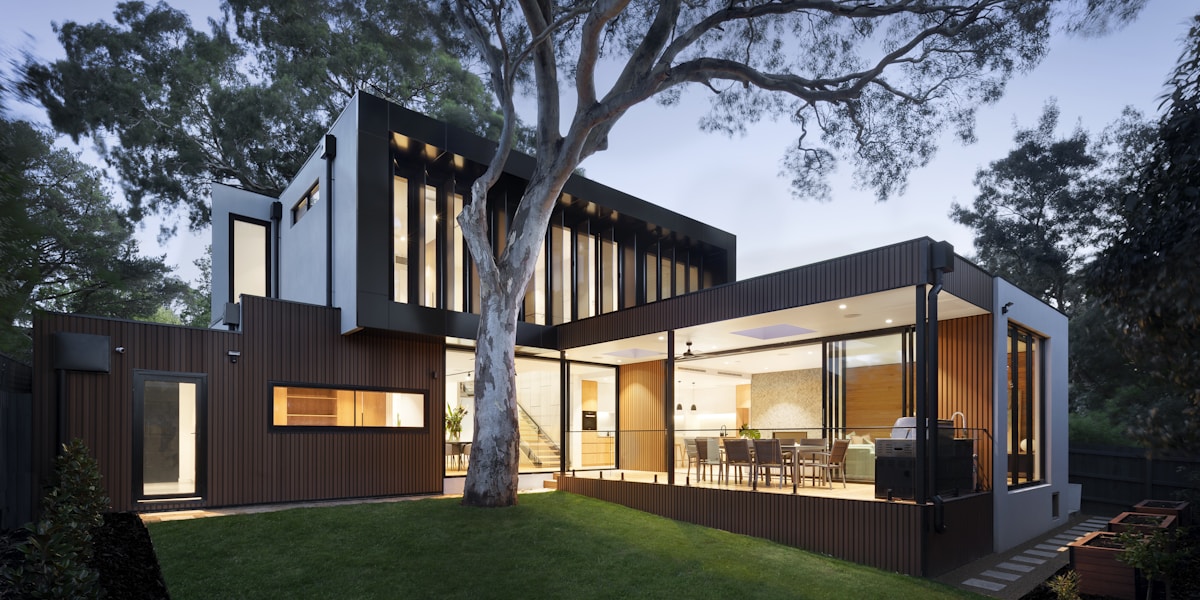
Why Fiber Cement Siding Dominates Pacific Beach Exterior Remodeling in 2026: James Hardie HZ10 vs Stucco for Coastal Homes
In Pacific Beach's relentless coastal environment—where salt spray, UV radiation, and year-round moisture test every exterior surface—fiber cement siding has become the clear winner for 2026 exterior remodeling projects. James Hardie HZ10 fiber cement delivers unmatched coastal durability, design flexibility, and 30-50 year lifespan with superior salt-air resistance compared to traditional stucco.
In Pacific Beach's relentless coastal environment—where salt spray, UV radiation, and year-round moisture test every exterior surface—fiber cement siding has become the clear winner for 2026 exterior remodeling services. While traditional stucco dominated San Diego coastal homes for decades, homeowners from Tourmaline Surfing Park to Bird Rock are increasingly choosing James Hardie HZ10 fiber cement for its unmatched combination of coastal durability, design flexibility, and long-term value.
This shift isn't just aesthetic preference. It's driven by proven performance data: fiber cement's composition makes it incredibly tough and capable of withstanding salt spray, extreme humidity, and UV radiation without warping, cracking, or fading. When properly installed, James Hardie HZ10 products can last up to 50 years in coastal California—backed by industry-leading warranties that protect your investment for decades.
For Pacific Beach homeowners planning exterior remodels in 2026, understanding the technical advantages of fiber cement over traditional stucco, the specific benefits of HZ10 engineering for coastal environments, and emerging mixed-material design trends is essential to making informed material selections that deliver both contemporary aesthetics and proven coastal performance. Learn more about coastal construction best practices in our blog.
Fiber Cement vs Stucco in San Diego Coastal Environments: Performance Comparison
The Pacific Beach coastal environment presents unique challenges that separate high-performance materials from those requiring constant maintenance. Salt air from the Pacific Ocean can cause significant damage to San Diego homes, even those located several miles inland from Crystal Pier or Garnet Avenue. Understanding how different siding materials respond to these conditions is critical for long-term durability.
Salt-Air Resistance and Moisture Management
Fiber cement's composition makes it fundamentally superior to stucco for moisture-prone coastal environments. Fiber cement is highly resistant to moisture and performs well in humid and rainy conditions, whereas stucco is prone to water damage and cracking in such environments.
The difference lies in material behavior: stucco tends to absorb and hold onto water, which means this type of siding is better suited for arid climates. Waterlogged stucco can lead to problems like mold growth, structural cracking, and interior water damage—issues all too familiar to La Jolla and Mission Beach homeowners dealing with marine layer moisture and occasional heavy rains.
In contrast, fiber cement doesn't warp, crack, or fade easily and is highly resistant to wind damage—critical considerations when San Diego's Pacific Beach experiences seasonal Santa Ana wind conditions combined with salt spray.
UV Stability and Color Retention
San Diego's year-round sunshine means UV resistance is non-negotiable. Traditional stucco finishes can fade and chalk over time, requiring repainting every 5-7 years to maintain appearance. Fiber cement with factory-applied ColorPlus Technology finishes offers superior UV stability, maintaining color integrity with minimal fading for 15+ years.
For San Diego homeowners near Tourmaline Surfing Park and Kate Sessions Park where structures face direct western sun exposure and ocean reflection, this UV resistance translates to significantly lower maintenance costs and better curb appeal retention over decades.
Fire Ratings and Insurance Considerations
While fire risk is lower in coastal neighborhoods than inland San Diego County, fiber cement still provides peace of mind with superior fire ratings. Both fiber cement and stucco are non-combustible materials, but fiber cement achieves Class A fire ratings across all product lines—the highest available classification.
This can translate to lower insurance premiums in San Diego in some cases, and provides additional protection during rare wildfire events when Santa Ana winds can carry embers from inland fires toward coastal areas near Mission Bay.
| Performance Factor | Fiber Cement (HZ10) | Traditional Stucco |
|---|---|---|
| Salt-Air Resistance | Excellent - Non-corrosive, moisture-resistant | Good in dry climates, problematic with moisture |
| UV/Color Retention | 15-year ColorPlus warranty, minimal fading | 5-7 years before repainting needed |
| Moisture Management | Highly resistant, doesn't absorb water | Absorbs moisture, prone to cracking |
| Wind Resistance | Engineered for hurricane-force winds | Can crack under structural movement |
| Fire Rating | Class A (highest rating) | Class A (highest rating) |
| Expected Lifespan (Coastal) | 30-50 years with minimal maintenance | 20-30 years with regular maintenance |
James Hardie HZ10: Engineered Specifically for Coastal California
Not all fiber cement siding performs equally in coastal environments. James Hardie developed the HZ10 product line specifically for regions with high heat, humidity, moisture, and salt exposure—making it the gold standard for Pacific Beach exterior remodeling.
What Makes HZ10 Different
HZ10 is a product specification code used by James Hardie to indicate the siding's resistance to damage from various environmental factors. "HZ" stands for "HardieZone," which is James Hardie's system for categorizing products based on regional climate differences.
Specifically, HZ10 engineering means the product is made to withstand high heat, humidity, moisture, hail, tropical storms and hurricane winds—exactly the conditions found in San Diego coastal California communities from Bird Rock to Mission Beach.
This engineering translates to enhanced dimensional stability (the material resists expansion and contraction from temperature and moisture changes), improved moisture resistance compared to standard fiber cement, and optimized formulation for salt-air exposure.
Warranty Coverage That Protects Your Investment
James Hardie backs HZ10 products with industry-leading warranty protection. All Hardie fiber cement siding products come with a 30-year non-prorated limited substrate warranty, covering the underlying fiber cement material against manufacturing defects for the full three decades.
Additionally, ColorPlus Technology finishes are backed by a 15-year limited warranty that covers paint and labor and protects against peeling, cracking and chipping—critical protection for coastal applications where inferior finishes can fail in just a few years.
This comprehensive warranty coverage means San Diego Pacific Beach homeowners can invest with confidence, knowing both the substrate and finish are protected for periods that exceed most homeownership timelines.
Product Forms and Design Flexibility
The HZ10 line is available in multiple styles including Plank (lap siding), Panel (vertical siding), and Shingle profiles—all compatible with coastal California applications. This allows homeowners to achieve various architectural aesthetics from modern horizontal lines to traditional craftsman shingles to contemporary vertical panels.
For 2026, James Hardie announced Iron Gray as its 2026 Color of the Year from the Statement Collection—a sophisticated warm gray that perfectly complements the coastal organic modernism aesthetic trending throughout San Diego coastal communities.
Mixed Material Trend: Fiber Cement + Stone Veneer + Board-and-Batten Accents
The most significant design trend in 2026 Pacific Beach exterior remodeling is the strategic combination of multiple materials to create visual depth, texture, and architectural interest. Rather than single-material exteriors, homeowners are embracing mixed-material palettes that highlight different architectural features.
Why Mixed Materials Are Dominating 2026
According to recent industry analysis, board and batten is trending heavily in 2026 for a "Modern Farmhouse" look, with mixed textures combining stone veneer and shingle-style siding on gables adding significant depth and increasing property value.
This trend works particularly well in Pacific Beach where homes range from mid-century modern to coastal contemporary to beach cottage styles. Mixed materials allow homeowners to honor existing architectural character while updating with contemporary aesthetics and high-performance materials.
Popular Combinations for Coastal Homes
Fiber Cement + Natural Stone Veneer: Fiber cement's clean lines and durability make it a perfect complement to rustic or modern stone profiles. The simple, linear surface of fiber cement siding is the perfect base for the more rugged texture of stone, working together to draw the eye to highlighted features and add visual interest.
Common applications include stone veneer on entry columns and foundation areas with fiber cement lap siding on upper walls, creating a grounded, substantial aesthetic appropriate for coastal locations.
Board-and-Batten Accents: Vertical panel siding combined with Hardie trim batten boards achieves the rustic board-and-batten look that defines modern farmhouse aesthetics. Board and batten siding made from fiber cement boasts exceptional durability and can withstand harsh weather conditions including heavy rain, snow, and UV rays.
In Pacific Beach applications, board-and-batten sections work beautifully on gable ends, garage doors, or as accent walls contrasting with horizontal lap siding on main facades.
Shingle Details: Fiber cement shingles on upper stories or gable sections combined with lap siding on lower levels creates traditional coastal cottage character with modern performance. This combination is particularly popular in Bird Rock and La Jolla neighborhoods where craftsman and coastal cottage styles dominate.
Installation Sequencing and Cost Considerations
Mixed material exteriors require careful planning and sequencing. Stone veneer installation typically occurs first, establishing base layers and foundation details. Fiber cement follows, with proper flashing and transitions between materials to ensure water management.
Cost-wise, mixed materials typically add 15-25% to project budgets compared to single-material installations due to increased labor complexity and material transitions. However, the visual impact and increased resale value often justify the premium—particularly in high-value coastal markets like Pacific Beach where distinctive exteriors command attention.
Modern Stucco Evolution: Smooth Contemporary Finishes Replace Heavy Texture
While fiber cement has gained market share, stucco hasn't disappeared—it's evolved. The heavily textured, rough stucco finishes popular in the 1990s-2000s have given way to smooth, contemporary applications that align with 2026 design preferences.
Contemporary Stucco Aesthetics
Stucco finishes gaining traction in 2026 emphasize clean lines and subtle texture, with smooth finishes creating a contemporary, almost minimalist look that works beautifully with modern architecture. Stucco's ability to create smooth, unbroken surfaces aligns perfectly with modern design principles.
Color trends favor warm neutrals over stark white. Stucco homes are a perfect match for 2026 exterior color trends—especially warm neutrals, soft greiges, and Mediterranean-inspired finishes that pair beautifully with clay tile roofs and black metal accents.
When Stucco Still Makes Sense for Pacific Beach
Despite fiber cement's advantages, stucco remains viable for specific applications:
- Matching existing aesthetics: In neighborhoods with predominantly stucco homes, maintaining architectural consistency may be preferred
- Budget constraints: Quality stucco installation can cost 15-30% less than fiber cement with mixed materials
- Specific architectural styles: Spanish Colonial, Mediterranean, and Southwestern styles often look most authentic with smooth stucco finishes
- Custom color requirements: Stucco can be tinted to virtually any color during application
However, Pacific Beach homeowners choosing stucco must ensure proper installation with modern moisture management systems, including adequate building wrap, proper flashing around all penetrations, and appropriate clearances from grade and rooflines.
Cost Analysis: Fiber Cement vs Stucco vs Mixed Materials for Pacific Beach Homes
Understanding true lifecycle costs—not just installation expenses—is essential for informed material selection. Initial installation represents only one component of total cost of ownership.
Installation Costs (2026 San Diego Market)
Fiber Cement Siding: The cost of installing fiber cement siding in San Diego, CA, including materials and labor, varies between $7.23/SF and $15.13/SF. More specifically, fiber cement siding typically ranges from $10 to $13 per square foot installed in San Diego.
For a typical 1,500 square foot exterior, total project costs range from $7,500 to $21,000, with most Pacific Beach projects averaging $15,000-$18,000 depending on product selections and architectural complexity.
Traditional Stucco: Quality stucco installation in San Diego typically ranges from $6 to $10 per square foot installed, making it 20-30% less expensive than fiber cement for initial installation. A 1,500 square foot project averages $9,000-$15,000.
Mixed Materials: Incorporating stone veneer, board-and-batten accents, or shingle details adds approximately 15-25% to base fiber cement costs. Expect mixed material projects to range from $12 to $18 per square foot installed, with 1,500 square foot exteriors totaling $18,000-$27,000.
Long-Term Maintenance Cost Comparison
Installation cost represents only the beginning of total ownership expenses. Maintenance requirements vary dramatically:
Fiber Cement (20-Year Period):
- Periodic cleaning: $300-$500 every 2-3 years = $2,000-$3,500
- Caulking and minor repairs: $500-$800 every 5 years = $2,000-$3,200
- Optional repainting at 15+ years: $4,000-$7,000
- Total 20-year maintenance: $8,000-$13,700
Stucco (20-Year Period):
- Periodic cleaning: $300-$500 every 2-3 years = $2,000-$3,500
- Crack repair and patching: $800-$1,500 every 3-5 years = $4,000-$7,500
- Repainting: $5,000-$8,000 every 7-10 years = $10,000-$16,000
- Moisture damage remediation: $2,000-$5,000 (varies by exposure)
- Total 20-year maintenance: $18,000-$32,000
Over a 20-30 year ownership period, fiber cement's superior durability and reduced maintenance requirements typically offset the 20-30% higher initial installation cost—particularly in Pacific Beach's challenging coastal environment where stucco maintenance demands escalate.
ROI and Resale Value Impact
Exterior siding replacement delivers strong returns on investment. According to 2026 data, fiber cement siding has a cost of $20,619 with a value added of $18,230, yielding an 88.4% ROI.
Fiber-cement siding adds an average of $18,230 to a home's resale value nationally, with homeowners recouping an average of 88% of the cost in resale value.
In Pacific Beach's high-value coastal market, this ROI often exceeds national averages. Buyers increasingly prioritize low-maintenance, durable materials with proven coastal performance—making fiber cement a valuable selling feature that can accelerate sales and support premium pricing.
Installation Requirements for Coastal Fiber Cement Durability
Even the highest-quality materials fail without proper installation. Coastal fiber cement installations require specific techniques and attention to detail that separate experienced contractors from those lacking coastal expertise.
Moisture Barriers and Building Wrap Specifications
The water-resistive barrier beneath fiber cement is the last line of defense against bulk water intrusion, and it deserves the same care as the siding itself. In Pacific Beach's marine environment, high-quality housewrap or building paper rated for coastal applications is non-negotiable.
The barrier must be installed in shingled fashion (upper layers overlapping lower layers) to shed water downward and outward, preventing moisture infiltration that can compromise wall assemblies even behind impermeable siding.
Flashing Details Around Openings
Window, door, and penetration flashing represents the most critical installation detail. All windows, doors, and penetrations should be correctly flashed with flashing tape or metal drip cap, with laps oriented to shed water outward and downward.
Inadequate flashing is the primary cause of moisture intrusion in coastal fiber cement installations. Even small gaps or improper lap sequences can allow driven rain and salt spray to penetrate wall assemblies, causing concealed damage that may not become apparent for years.
Clearances and Expansion Details
Per James Hardie installation guidelines, fiber cement must be kept at least 6 inches from grade and at least 1 inch from any horizontal surface to prevent moisture wicking.
In coastal applications, these clearances become even more critical. Pacific Beach's marine layer creates persistent ground-level moisture that can wick into siding making direct or near-direct contact with soil, concrete, or paving.
Additionally, proper expansion joints must be incorporated in long runs and at building transitions. Fiber cement expands and contracts with temperature and moisture changes—failure to accommodate this movement results in buckling, cracking, or fastener failure.
Why Contractor Expertise Matters
Installation quality dramatically affects performance and warranty validity. James Hardie warranties require installation by certified contractors following manufacturer specifications. Deviations from installation guidelines can void warranty coverage—leaving homeowners financially exposed if material failures occur.
For Pacific Beach exterior remodeling, selecting contractors with demonstrated coastal fiber cement experience, James Hardie certification, and local project portfolios ensures installation quality that protects both material performance and warranty coverage. Learn about our certifications and coastal expertise to understand why proper contractor selection matters.
Frequently Asked Questions
What is the best siding material for Pacific Beach coastal homes?
Fiber cement siding, specifically James Hardie HZ10 products, is the best choice for San Diego Pacific Beach coastal homes. HZ10 is engineered to withstand high heat, humidity, moisture, salt spray, and hurricane-force winds—exactly the conditions found in coastal California. It offers superior salt-air resistance compared to traditional stucco, doesn't absorb moisture that can lead to cracking and mold, and maintains color integrity for 15+ years with ColorPlus Technology finishes. With proper installation, HZ10 fiber cement can last 30-50 years in San Diego coastal environments, backed by a 30-year non-prorated substrate warranty.
How does James Hardie HZ10 differ from regular fiber cement siding?
HZ10 represents James Hardie's highest performance specification, engineered specifically for extreme climate zones including coastal California. The "HZ" stands for "HardieZone," James Hardie's system for categorizing products based on regional climate demands. HZ10 products feature enhanced dimensional stability to resist expansion and contraction from temperature and moisture changes, improved moisture resistance compared to standard fiber cement, and optimized formulation for salt-air exposure. This engineering translates to superior performance in Pacific Beach's marine environment compared to standard fiber cement products designed for milder climates.
What does fiber cement siding cost in San Diego in 2026?
In San Diego, fiber cement siding installation costs range from $7.23 to $15.13 per square foot including materials and labor, with typical projects averaging $10-$13 per square foot. For a standard 1,500 square foot exterior, total project costs range from $7,500 to $21,000, with most Pacific Beach installations averaging $15,000-$18,000 depending on product selections (lap siding vs. shingles vs. panels), architectural complexity, and whether mixed materials are incorporated. Adding stone veneer accents or board-and-batten details typically increases costs by 15-25%. While fiber cement costs 20-30% more than stucco initially, the long-term maintenance savings typically offset the higher upfront investment over 20-30 year ownership periods.
How long does fiber cement siding last in coastal environments?
When properly installed, James Hardie HZ10 fiber cement siding can last 30-50 years in Pacific Beach's coastal environment. The product is backed by a 30-year non-prorated limited substrate warranty covering the underlying fiber cement material, and ColorPlus Technology finishes include a 15-year limited warranty protecting against peeling, cracking, and chipping. This longevity significantly exceeds traditional stucco (20-30 years with regular maintenance) and wood siding (15-25 years in coastal conditions). The key to achieving maximum lifespan is proper installation following James Hardie specifications, including correct moisture barriers, flashing details, clearances from grade, and expansion joints.
Is fiber cement siding better than stucco for salt-air resistance?
Yes, fiber cement significantly outperforms traditional stucco for salt-air resistance in San Diego's Pacific Beach marine environment. Fiber cement's composition makes it highly resistant to moisture and it doesn't absorb water, whereas stucco tends to absorb and hold onto moisture, which can lead to cracking, mold growth, and structural issues in humid coastal conditions. Fiber cement doesn't corrode from salt exposure, maintains dimensional stability despite temperature and humidity fluctuations, and resists UV damage better than stucco finishes which require repainting every 5-7 years. While stucco can perform adequately in dry coastal climates, fiber cement is the superior choice for San Diego areas with marine layer moisture, driven rain, and persistent salt spray like Pacific Beach, La Jolla, and Mission Beach.
What are popular mixed material combinations for 2026 Pacific Beach exteriors?
The most popular mixed material combinations for 2026 Pacific Beach exterior remodeling include: (1) Fiber cement lap siding on main facades with natural stone veneer on entry columns, foundation areas, and architectural accents—creating grounded, substantial aesthetics; (2) Horizontal lap siding on lower stories combined with board-and-batten fiber cement panels on gable ends or upper levels for modern farmhouse character; (3) Fiber cement shingles on upper stories or dormers paired with lap siding on lower levels for coastal cottage aesthetics; (4) Smooth fiber cement panels as primary cladding with stone veneer chimneys and entry surrounds for contemporary designs. These combinations create visual depth and texture while maintaining coastal durability, though they typically add 15-25% to project costs compared to single-material installations.
Do I need a special contractor to install fiber cement in Pacific Beach?
Yes, coastal fiber cement installation requires contractor expertise in moisture management, flashing details, and James Hardie specifications. James Hardie warranties require installation by certified contractors following manufacturer guidelines—deviations can void warranty coverage. Critical coastal installation requirements include: proper water-resistive barriers rated for marine environments, meticulous flashing around all windows, doors, and penetrations with laps oriented to shed water downward, maintaining 6-inch minimum clearance from grade to prevent moisture wicking, incorporating proper expansion joints in long runs, and using corrosion-resistant fasteners appropriate for salt-air exposure. Pacific Beach Builder maintains James Hardie certification and has extensive experience with San Diego coastal installations throughout Pacific Beach, La Jolla, Mission Beach, and Bird Rock—ensuring both installation quality and warranty validity.
What is the ROI on fiber cement siding replacement in Pacific Beach?
Fiber cement siding replacement delivers an 88.4% ROI nationally, with average installation costs of $20,619 adding $18,230 in resale value. In San Diego's Pacific Beach high-value coastal market, ROI often exceeds national averages as buyers prioritize low-maintenance, durable materials with proven coastal performance. Beyond direct resale value, fiber cement offers additional financial benefits: reduced maintenance costs ($10,000-$18,000 savings vs. stucco over 20 years), potential insurance premium reductions due to Class A fire ratings, increased marketability when selling (properties with quality exteriors sell faster), and protection against costly moisture damage that can occur with inferior materials. The combination of strong resale value recovery and long-term maintenance savings makes fiber cement one of the highest-ROI exterior improvements for San Diego Pacific Beach homes.
How does modern stucco compare to fiber cement for contemporary designs?
Modern stucco has evolved toward smooth, minimalist finishes that align with 2026 contemporary aesthetics—moving away from heavily textured applications popular in previous decades. Smooth stucco creates clean, unbroken surfaces that work beautifully with modern architecture and can be tinted to virtually any color including trending warm neutrals and soft greiges. However, even modern stucco faces the same fundamental moisture management challenges in Pacific Beach's coastal environment—it absorbs water, requires repainting every 5-7 years to maintain appearance, and remains prone to cracking from structural movement and moisture cycling. Fiber cement offers similar clean-lined aesthetics through smooth panel products and horizontal lap siding with minimal reveal, while delivering superior moisture resistance, longer color retention (15+ years), and reduced maintenance. For contemporary coastal designs, fiber cement panels in warm gray or neutral tones often achieve the desired aesthetic while providing better long-term performance.
What warranty coverage does James Hardie HZ10 include?
James Hardie HZ10 products include comprehensive warranty protection: a 30-year non-prorated limited substrate warranty covering the underlying fiber cement material against manufacturing defects for the full thirty years, and a 15-year limited warranty on ColorPlus Technology factory-applied finishes covering paint and labor and protecting against peeling, cracking, and chipping. Both warranties are transferable, adding value if you sell your Pacific Beach home. The 30-year substrate warranty is particularly significant as it's non-prorated—meaning coverage doesn't decrease over time like many building product warranties. To maintain warranty validity, installation must be performed by James Hardie certified contractors following manufacturer specifications, moisture barriers and flashing must meet installation guidelines, and proper clearances from grade and horizontal surfaces must be maintained.
San Diego Service Areas for Fiber Cement Siding Installation
Pacific Beach Builder provides expert James Hardie HZ10 fiber cement siding installation throughout San Diego's coastal communities. We understand the unique challenges each neighborhood faces—from salt spray near Crystal Pier to marine layer moisture around Mission Bay.
Our Primary Service Areas Include:
- Pacific Beach (92109) - From Tourmaline Surfing Park to Crystal Pier, we've completed hundreds of fiber cement installations in this high-salt-exposure coastal zone where marine conditions demand HZ10-rated materials.
- La Jolla (92037) - Serving La Jolla Shores, Bird Rock, and surrounding areas with premium fiber cement solutions designed for luxury coastal homes facing direct ocean exposure.
- Mission Beach & Bay Park (92110) - Specialized installations for properties near Mission Bay and the beachfront, where persistent moisture and salt air require superior moisture management and flashing details.
- Bird Rock - Expert installation for this distinctive coastal neighborhood where craftsman and cottage-style architecture benefits from mixed material fiber cement designs.
- Tourmaline Surfing Park Area - Serving homes in this northern Pacific Beach location with extreme western sun exposure and direct salt spray conditions.
Contact Pacific Beach Builder for Fiber Cement Siding Expertise
Pacific Beach Builder specializes in James Hardie HZ10 fiber cement siding installation with proven San Diego coastal expertise. As a James Hardie certified contractor, we ensure proper moisture barriers, flashing details, and installation techniques that protect your investment and maintain warranty validity for decades.
Our team has completed hundreds of fiber cement installations throughout San Diego's Pacific Beach, La Jolla, Mission Beach, and Bird Rock communities—delivering mixed material designs that combine contemporary aesthetics with 30-50 year coastal durability. We'll guide you through product selection, color choices, and design options that complement your home's architectural style while withstanding salt-air exposure.
Contact Pacific Beach Builder for a free San Diego fiber cement siding consultation:
- Phone: +1-858-290-1842
- Website: pacificbeachbuilder.com
- Email: info@pacificbeachbuilder.com
Let's discuss how James Hardie HZ10 fiber cement siding—with mixed stone veneer and board-and-batten accents—can transform your San Diego Pacific Beach exterior with proven coastal performance and trending 2026 aesthetics.