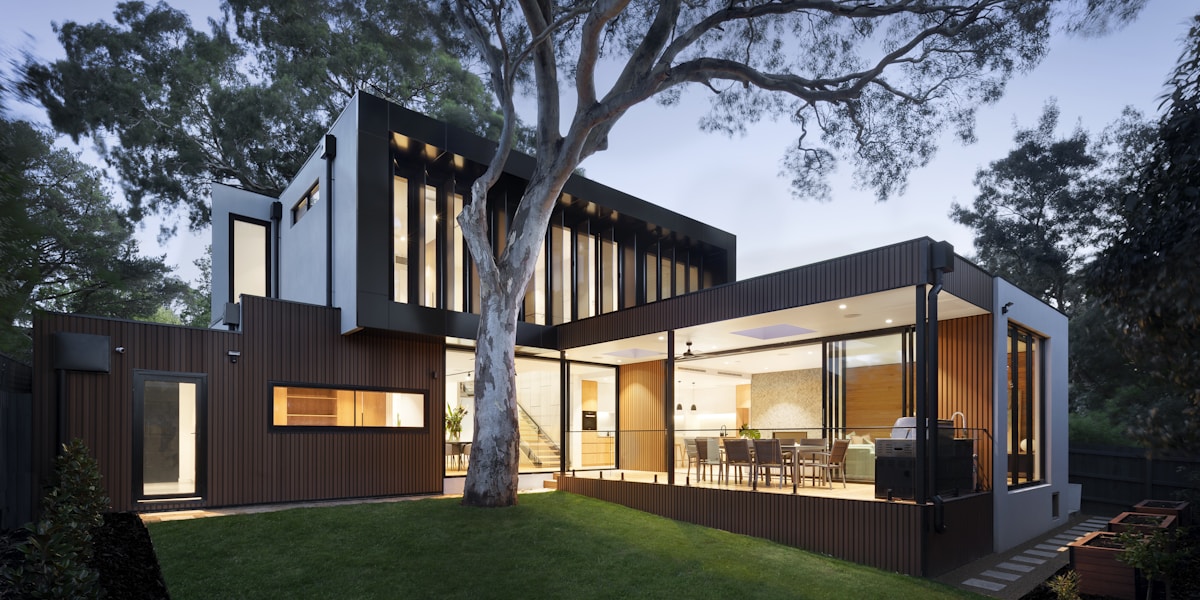
La Jolla Shores Home Expansion Approved Despite Neighbor Concerns: What Pacific Beach Builders Need to Know About Permit Review
On February 19, 2026, the La Jolla Shores Permit Review Committee made a decision that has significant implications for every homeowner planning a major expansion in Pacific Beach, La Jolla, and surrounding coastal San Diego neighborhoods. By a narrow 4-2 vote, the committee recommended approval for a controversial home expansion at 8303 Prestwick Drive—a project that would add 3,644 square feet to an existing one-story residence, creating a 6,169-square-foot home despite vocal opposition from neighbors who claimed the project was too large and out of character with the surrounding area.
This case represents more than just one homeowner's battle to expand their property. It highlights the complex interplay between property rights, community character concerns, and the increasingly rigorous permit review process that governs residential construction in San Diego County's coastal zone. For builders and homeowners in Pacific Beach, Mission Beach, La Jolla, Tourmaline Surfing Park, and areas near landmarks like Crystal Pier and Kate Sessions Park, understanding how this approval was achieved—and what obstacles had to be overcome—is essential knowledge for successfully navigating your own expansion projects in 2026 and beyond.
The Prestwick Drive project endured multiple hearings, architect changes, design modifications, and organized neighbor opposition before ultimately receiving committee support. The lessons learned from this approval process can help you anticipate challenges, prepare more effective applications, and build stronger community relationships as you plan your own coastal property expansion.
What Happened: The 8303 Prestwick Drive Expansion Details
The project at 8303 Prestwick Drive in La Jolla Shores represents a substantial residential expansion that tested the limits of community tolerance for large-scale home additions. The property, situated on a generous 1.04-acre lot, had already been "all but demolished" for approximately one year when the February 2026 hearing took place.
Project Specifications
The proposed expansion would transform a modest one-story house into a multi-level residence with the following specifications:
- 2,578-square-foot second floor addition
- 765-square-foot third floor addition
- Additional first-floor and garage expansions
- Total building square footage: 6,169 square feet
- Floor area ratio (FAR): 0.26
- Lot size: 1.04 acres
The 0.26 floor area ratio is particularly significant. Floor area ratio represents the relationship between total building floor area and the size of the land parcel upon which the building sits. In San Diego County, FAR regulations are designed to allow flexibility within development regulations to identify structural sizes most appropriate to various geographic settings and special local policies. For homeowners planning additions in Pacific Beach, Tourmaline Surfing Park, or La Jolla—particularly near coastal landmarks like La Jolla Cove or Mission Bay—understanding your property's maximum allowable FAR is crucial. It's calculated by multiplying the FAR limit for your zone with your lot area, then subtracting your existing gross floor area.
Architectural Evolution
The project underwent significant changes during its approval journey. Originally designed by a different architect with backing from the La Jolla Community Planning Association (LJCPA), the homeowner discovered additional permit requirements that necessitated bringing in Island Architects to redesign the project. This architectural pivot is not uncommon in coastal San Diego, where overlapping jurisdictions and evolving regulations can render even approved plans non-compliant.
Timeline of Delays
By the time the February 19, 2026 hearing occurred, the project had already appeared before the Permit Review Committee multiple times over recent months. This extended timeline—spanning from initial application through demolition and into third hearings—illustrates the reality of major home expansions in regulated coastal zones: even with property rights on your side, the process can take significantly longer than anticipated when neighbor concerns enter the equation.
Permit Review Committee Process: Understanding the 4-2 Vote and What It Means for Builders
The La Jolla Shores Permit Review Committee's 4-2 vote in favor of the Prestwick Drive expansion offers valuable insights into how these critical gatekeeping bodies make decisions—and what factors can tip the balance in favor of approval despite organized opposition.
Committee Structure and Voting Dynamics
The La Jolla Shores Permit Review Committee operates as part of a broader community planning framework. According to the La Jolla Community Planning Association, projects requiring Coastal Development Permits entail review and discretionary approval under Processes 2-5. Before issuing a CDP, the City of San Diego requires applicants to submit detailed plans and strongly recommends that applicants seek community review by locally-elected Community Planning Groups to ensure compliance with Community Plans.
In the Prestwick Drive case, the vote broke down as follows:
- 4 members voted in favor of recommending approval
- 2 members opposed (Janie Emerson and Dan Courtney)
- Chairman Andy Fotsch abstained per custom
This 4-2 split reveals that even within the committee charged with evaluating the project, there was significant disagreement about whether the expansion appropriately balanced the homeowner's property rights with community character concerns.
What Committee Members Consider
Permit review committees in San Diego's coastal neighborhoods evaluate projects based on multiple criteria:
- Compliance with zoning regulations - Does the project meet setback requirements, height limits, and FAR restrictions?
- Consistency with community character - How does the proposed structure compare to existing homes in the immediate area? This is particularly important in La Jolla neighborhoods where community character review is a critical part of the approval process.
- Impact on neighbors - Are there legitimate concerns about privacy, views, sunlight access, or property values?
- Quality of design and materials - Does the project demonstrate architectural merit and appropriate coastal aesthetics?
- Applicant responsiveness - Has the homeowner made good-faith efforts to address concerns and modify plans?
The Path to Committee Approval
For Pacific Beach builders navigating similar projects, the Prestwick Drive approval demonstrates several success factors:
Documentation matters tremendously. The applicant's representative presented a graphic indicating that most neighbors nearest to the property actually supported the project—a critical counter-narrative to the organized opposition. Gathering written support from immediate neighbors can provide powerful evidence that vocal opponents may not represent the broader community sentiment.
Comparative data carries weight. The presentation included analysis showing that within a 300-foot radius, the proposed home ranked 5th out of 20 properties in building square footage and 5th in FAR, while placing 12th in front-yard setbacks and 10th in combined side setbacks. This comparative neighborhood analysis demonstrated that the project, while large, was not an outlier that would fundamentally alter the area's character.
Design modifications demonstrate good faith. Island Architects made several changes in response to neighbor concerns, including removing planned deck columns, adjusting the northeast bathroom corner to create a larger setback for a neighboring property, and relocating a window to enhance privacy. These modifications, while potentially not satisfying all opponents, showed the committee that the applicant was willing to compromise.
Neighbor Concerns About Scale: How to Address Bulk and Mass Objections
Perhaps the most instructive aspect of the Prestwick Drive approval is how the project overcame substantial organized neighbor opposition focused on concerns about scale, bulk, and precedent. Understanding these concerns—and the strategies used to address them—is essential for any Pacific Beach or La Jolla homeowner planning a major expansion.
The Nature of Neighbor Opposition
The opposition to the Prestwick Drive project was both organized and sustained:
- 17 residents across 11 homes initially signed letters of opposition
- 35 residents across 25 properties later requested "a collaborative discussion to address their concerns"
- Primary concerns focused on bulk and scale being inconsistent with neighborhood character and the precedent-setting implications for the street
George Keane, who spearheaded the opposition, maintained objections that the home was "too big for the lot" and that "the setbacks are not large enough," even after design modifications were made. The adjacent neighbor to the north continued to oppose the project through the final hearing.
Why "Too Big" Arguments Often Fail
Despite the visceral appeal of arguing that a home is "too big," such objections face significant legal and practical obstacles in San Diego County's permit review process, particularly in coastal areas from Tourmaline Surfing Park to La Jolla Cove:
Zoning regulations establish clear parameters. If a project complies with height limits, setback requirements, lot coverage maximums, and FAR restrictions, claims that it's "too big" lack regulatory foundation. The Prestwick Drive project's 0.26 FAR was well within allowable limits, making size-based objections difficult to sustain on technical grounds.
Property rights carry substantial weight. California law generally favors property owners' rights to develop their land within established regulations. Committees are cautious about denying projects that meet all technical requirements based solely on subjective aesthetic preferences.
"Character" arguments require concrete evidence. Vague claims that a project doesn't fit neighborhood character are less persuasive than specific, data-backed arguments. The comparative analysis showing the Prestwick Drive home ranking in the middle of the pack among nearby properties effectively undermined character-based objections.
Effective Strategies for Addressing Neighbor Concerns
For Pacific Beach builders facing similar opposition, the Prestwick Drive case demonstrates several effective response strategies:
1. Proactive Neighbor Engagement
When 35 residents requested "a collaborative discussion," Island Architects responded with design modifications. This approach transforms adversarial opposition into constructive dialogue. For your project, consider:
- Hosting informal information sessions before formal hearings where neighbors can ask questions and express concerns
- Providing detailed renderings and site plans that help neighbors visualize the actual impact rather than imagining worst-case scenarios
- Identifying specific, addressable concerns rather than trying to persuade opponents to support the entire project
2. Building a Coalition of Support
The applicant's graphic showing that "most neighbors nearest to the property support the project" was likely decisive in achieving committee approval. Immediate neighbors—those most directly affected—carry particular weight. Strategies include:
- Gathering written statements of support from neighbors who view your project favorably
- Documenting informal conversations where neighbors express support or neutrality
- Emphasizing proximity in your presentations—support from the house next door carries more weight than opposition from three blocks away
3. Professional Mediation Resources
For projects where neighbor opposition becomes particularly intense, San Diego offers professional mediation services that can help resolve disputes before they derail permit applications. The National Conflict Resolution Center (619-238-2400) provides community mediation at no charge to participants, with funding from San Diego County. According to mediation professionals, 75-80% of cases resolve through mediation—a significantly higher success rate than adversarial processes.
Mediation offers several advantages:
- Confidentiality protects all parties and prevents positions from becoming entrenched
- Neutral facilitators help identify underlying interests that may be addressable through design modifications
- Agreements reached through mediation carry more weight with permit committees than unresolved disputes
4. Demonstrating Code Compliance
Ultimately, the most powerful response to neighbor opposition is demonstrating clear, comprehensive compliance with all applicable regulations. For coastal San Diego County properties in areas like Pacific Beach, Tourmaline Surfing Park, and La Jolla, this includes:
- Zoning requirements specific to your designated zone
- Coastal Development Permit standards if applicable to properties near Crystal Pier, Mission Bay, or other coastal landmarks
- Setback requirements (typically 4-foot minimums for structures exceeding 16 feet in height when adjacent to residential property)
- Floor Area Ratio limits for your zone
- Height restrictions (particularly the 30-foot coastal height limit in many Pacific Beach, Tourmaline Surfing Park, and La Jolla areas)
When your project demonstrably complies with every applicable regulation, opposition based on subjective concerns about size or character becomes significantly less persuasive to permit review committees.
Comparative Analysis: How Projects Are Evaluated Against Nearby Properties
One of the most effective tools in the Prestwick Drive approval was the comparative neighborhood analysis that placed the project within the context of surrounding properties. For Pacific Beach builders, understanding how to conduct and present such analyses can be the difference between approval and denial when facing neighbor opposition.
The Prestwick Drive Comparative Data
The analysis presented to the committee examined properties within a 300-foot radius and showed:
| Metric | Prestwick Drive Ranking | Context |
|---|---|---|
| Building square footage | 5th of 20 properties | Middle of the pack |
| Floor Area Ratio (FAR) | 5th of 20 properties | Well within neighborhood norms |
| Front-yard setbacks | 12th of 20 properties | More generous than most |
| Combined side setbacks | 10th of 20 properties | Average for the area |
This data was devastating to the "too big" narrative. Rather than representing an unprecedented intrusion that would alter neighborhood character, the project emerged as solidly middle-of-the-road across multiple metrics.
How to Conduct Your Own Comparative Analysis
For homeowners planning expansions in Pacific Beach, La Jolla, or other coastal San Diego neighborhoods, developing a similar comparative analysis strengthens your application:
Step 1: Define Your Comparison Area
The 300-foot radius used in the Prestwick Drive analysis is a reasonable standard, but you may adjust based on:
- Street frontage patterns - Include properties on your street and parallel streets that share visual context
- Topographical considerations - In areas with elevation changes, include properties at similar elevations
- Zoning boundaries - Ensure you're comparing properties in the same or similar zoning designations
Step 2: Gather Property Data
Key metrics to document for each comparable property:
- Total building square footage (often available through county assessor records)
- Lot size (to calculate FAR)
- Setback measurements (front, side, and rear)
- Building height (in feet and stories)
- Architectural style and materials
Step 3: Calculate Floor Area Ratio (FAR)
FAR is calculated by dividing total building floor area by lot area. This metric is particularly important because it normalizes size comparisons across properties with different lot sizes. The formula is:
FAR = Total Building Floor Area ÷ Lot Area
In the Prestwick Drive case, the 0.26 FAR (6,169 sq ft building on a 1.04-acre/45,302 sq ft lot) proved that despite the absolute size, the building-to-land ratio was moderate and consistent with the neighborhood.
Step 4: Present Data Visually
The "graphic" referenced in the Prestwick Drive hearing was likely a visual representation of the data—perhaps a map with properties color-coded by size, or a bar chart showing how the proposed project compared to existing homes. Visual presentations are significantly more persuasive than tables of numbers.
Consider creating:
- Heat maps showing building sizes or FARs across the neighborhood
- Ranking charts that position your project among existing properties
- Before/after visualizations showing your project in context with surrounding homes
Why Comparative Analysis Works
Permit review committees respond well to comparative analyses because they:
Replace subjective impressions with objective data. "Too big" is a feeling; "5th out of 20 in square footage" is a fact.
Demonstrate thoroughness and professionalism. Applicants who invest in detailed neighborhood analysis signal serious commitment and preparation.
Reframe the narrative. Instead of debating whether a home is too large in absolute terms, the discussion shifts to whether it's consistent with established neighborhood patterns—a much more favorable framework for projects that meet zoning requirements.
Provide political cover for approval. Committee members who vote for controversial projects need to justify their decisions. Comparative data provides that justification.
Next Steps: Community Planning Association Review Requirements
The Permit Review Committee's recommendation is a critical milestone, but it's not the final approval. Understanding the full pathway from committee recommendation to final permit issuance is essential for realistic timeline and budget planning.
The La Jolla Community Planning Association (LJCPA) Process
For projects in La Jolla—and parallel processes exist in Pacific Beach through the Pacific Beach Community Planning Group—the pathway typically follows this sequence:
1. Permit Review Committee (PRC) Recommendation
As demonstrated by the Prestwick Drive case, this is where detailed project review occurs. According to the La Jolla Community Planning Association's published guidelines:
- Committees meet on fixed schedules (La Jolla Shores PRC meets the 3rd Thursday of each month)
- Projects typically require 1-2 meetings - the first informational, the second for decision
- Non-controversial projects that fully comply with regulations may be approved in a single meeting
- Advance notice required: 1-2 weeks to place a project on the agenda
2. LJCPA Consent Agenda
Once the PRC issues a recommendation, it moves to the LJCPA Board of Trustees' consent agenda. The LJCPA Board meets the first Thursday of every month. Projects on the consent agenda are typically approved without further discussion unless:
- A board member requests that the item be pulled for separate consideration
- Public comment raises new concerns
- The PRC recommendation was narrowly divided (like the 4-2 Prestwick Drive vote)
For projects with controversial PRC votes, budget additional time for LJCPA board discussion and potential further modifications.
3. City of San Diego Development Services Review
After community planning group recommendation, the application moves to the City of San Diego Development Services Department for formal review and permit issuance. This stage involves:
Intake phase - Application processing from first upload to pre-screen (queue time varies based on application volume)
Review phase - Staff review for compliance with all applicable codes, including:
- Building safety standards
- Accessibility requirements (ADA compliance)
- Land use and zoning regulations
- Fire safety codes
- Energy efficiency standards (Title 24)
- Environmental requirements
Conditions of Approval - Once assigned a Permit Record ID, your project will include specific conditions that must be met before permit issuance. According to the City of San Diego, reviewing your Conditions of Approval early is critical for avoiding delays.
Permit Issuance - Queue time after review completion for staff to verify all requirements are met.
According to the City of San Diego's Development Services Department, processing timelines are updated weekly and vary significantly based on application volume and completeness of submitted documents.
4. Coastal Development Permit (If Required)
For properties in the coastal zone—which includes most of Pacific Beach, Tourmaline Surfing Park, La Jolla Shores, Mission Beach, and Bird Rock—an additional Coastal Development Permit may be required. This is particularly important for properties near iconic landmarks like La Jolla Cove, Crystal Pier, Kate Sessions Park, or Mission Bay waterfront. The California Coastal Act of 1976 mandates that all designated coastal areas develop a Local Coastal Program (LCP) consistent with statewide goals.
Most coastal development permit authority has been delegated to cities after the Commission certifies their LCP. However, major projects or those in particularly sensitive coastal areas may require California Coastal Commission review.
Recent regulatory changes: California Assembly Bill 462, which took effect on October 15, 2025, imposes a strict 60-day approval deadline for Coastal Development Permits on ADUs, running concurrently with standard ministerial review. While this reform doesn't directly apply to full home expansions like Prestwick Drive, it signals increasing pressure on coastal permit processes to move more efficiently.
Realistic Timeline Expectations
Based on the Prestwick Drive case and typical San Diego coastal permit processes, homeowners should anticipate:
| Phase | Typical Timeline | Prestwick Drive Experience |
|---|---|---|
| Initial PRC Hearing | 1-2 months from application | Extended due to architect change |
| Design modifications & re-submission | 2-4 weeks per iteration | Multiple iterations over several months |
| Subsequent PRC hearings | 1 month between hearings | Third hearing February 2026 |
| LJCPA Board consent agenda | 1-2 weeks after PRC | Upcoming |
| City Development Services review | 2-6 months | Pending |
| Coastal Development Permit (if required) | 1-3 months | May be required |
| Total process (uncontested) | 4-9 months | - |
| Total process (with opposition) | 9-18+ months | 12+ months to date |
The Prestwick Drive project demonstrates that organized neighbor opposition can easily double or triple the timeline for permit approval.
Lessons for Pacific Beach Builders: Navigating Similar Projects
The Prestwick Drive approval offers a master class in successfully navigating major home expansions in San Diego's coastal neighborhoods despite neighbor opposition. For Pacific Beach builders and homeowners, several key lessons emerge:
Lesson 1: Regulatory Compliance Is Your Foundation
Every successful strategy for addressing neighbor concerns rests on a foundation of complete compliance with all applicable regulations. The Prestwick Drive project's 0.26 FAR, appropriate setbacks, and compliance with height limits created an unassailable technical basis for approval.
For Pacific Beach, Tourmaline Surfing Park, and coastal properties near landmarks like Crystal Pier or Kate Sessions Park, ensure your project complies with:
Coastal Zone Setback Requirements - Detached structures 16 feet or shorter can use zero-foot side and rear setbacks, but structures exceeding 16 feet require minimum 4-foot setbacks when adjacent to residential property.
Height Limits - Most Pacific Beach coastal properties are subject to the 30-foot coastal height limit, though recent affordable housing projects have begun to breach this limit with specific approvals.
Floor Area Ratio (FAR) - Your zoning designation determines maximum FAR. Calculate your allowable gross floor area by multiplying the FAR by your lot area, then subtract existing floor area to determine addition capacity. ADUs up to 800 square feet are generally exempt from FAR limits even if the resulting FAR exceeds the zone maximum.
Lot Coverage - ADUs 800 square feet or smaller are exempt from lot coverage requirements, but larger additions must comply with zone-specific coverage limits.
Lesson 2: Professional Expertise Pays for Itself
The Prestwick Drive project's decision to bring in Island Architects after discovering additional permit requirements proved essential. The firm's experience with coastal permits and community planning processes enabled them to:
- Conduct the comparative neighborhood analysis that undermined opposition arguments
- Make strategic design modifications that addressed specific neighbor concerns
- Navigate the multiple hearings and re-submissions efficiently
- Present data and visualizations persuasively to the committee
For Pacific Beach builders, assembling a team with local coastal permitting experience is a worthwhile investment. Consider professionals with:
Architectural expertise in coastal zones - Architects familiar with San Diego's coastal development permit requirements, community planning processes, and aesthetic expectations.
Land use and permitting consultants - Specialists who can navigate overlapping jurisdictional requirements and identify potential obstacles early, especially for complex projects involving ADUs or environmentally sensitive locations.
Coastal commission liaisons - For projects requiring California Coastal Commission review, consultants with Commission relationships can be invaluable.
Lesson 3: Neighbor Relations Begin Before Applications
The organized opposition to Prestwick Drive—17 residents across 11 homes signing opposition letters—suggests that neighbor relations may not have been proactively managed before the project became visible through demolition and permit applications. Similar neighbor concerns emerged in nearby Bird Rock ADU projects, demonstrating the importance of early community engagement.
Successful Pacific Beach builders typically:
Conduct informal neighbor outreach before filing applications, sharing preliminary plans and soliciting feedback that can be incorporated into designs.
Host information sessions where neighbors can ask questions, view renderings, and understand construction timelines and impact mitigation measures.
Document support from neighbors who view the project favorably or neutrally, creating a written record that can counter organized opposition.
Address specific concerns proactively—if a neighbor expresses privacy concerns, incorporate privacy measures into your initial design rather than waiting for formal objections.
Lesson 4: Expect and Plan for Extended Timelines
The Prestwick Drive property had been "all but demolished" for approximately one year by the time the February 2026 PRC hearing occurred. This extended timeline—with the project still not at final permit issuance—underscores the importance of realistic scheduling.
For Pacific Beach projects, particularly those over 3,000 square feet of additions or involving substantial design departures from neighborhood norms:
Budget 12-18 months from application to permit if neighbor opposition emerges
Plan construction financing to accommodate extended pre-construction periods where property is demolished or unusable but construction cannot commence
Consider phased approaches where initial phases can proceed while later phases undergo extended review
Maintain open communication with contractors about timeline uncertainties to avoid losing your construction team to other projects during permit delays
Lesson 5: Data-Driven Presentations Win Approvals
The comparative neighborhood analysis presented for Prestwick Drive transformed a subjective debate about "too big" into an objective discussion about neighborhood consistency. This data-driven approach is increasingly essential in San Diego's coastal neighborhoods, where:
- Projects are larger and more complex than historical norms
- Neighbor awareness and organization have increased
- Committee members need concrete justification for controversial approvals
Invest in professional preparation of:
- Neighborhood comparative analyses showing your project in context
- Visual renderings from multiple angles, including views from neighboring properties
- Site plans with detailed setback measurements and calculations
- FAR calculations and comparisons
- Traffic and parking impact analyses if relevant
Lesson 6: Flexibility and Responsiveness Matter
Island Architects made multiple design modifications in response to neighbor concerns: removing deck columns, adjusting bathroom corners for larger setbacks, and relocating windows for privacy. These changes likely didn't satisfy all opponents, but they demonstrated good faith and gave committee members evidence that the applicant was reasonable and responsive.
For your Pacific Beach project, identify in advance which design elements are negotiable and which are essential. This allows you to make strategic concessions that build goodwill without compromising your core project goals.
Frequently Asked Questions
1. How long does the permit approval process typically take for a major home expansion in Pacific Beach or La Jolla?
For uncontested projects in Pacific Beach, La Jolla, Tourmaline Surfing Park, and Mission Beach, expect 9-10 months from initial application to final permit. However, projects facing neighbor opposition can take 14-29 months, as demonstrated by the Prestwick Drive case which had been in process for over 12 months by February 2026 and still awaited final San Diego County permits. The timeline includes Permit Review Committee hearings (typically requiring 2-3 meetings over 2-4 months), Community Planning Association board review (2-4 weeks), City Development Services review (2-6 months), and Coastal Development Permit processing if required (1-3 months). Multiple design modification cycles in response to neighbor concerns can add 2-8 weeks per iteration.
2. Can neighbors legally block my home expansion project in San Diego's coastal neighborhoods?
Neighbors cannot directly block projects that comply with all applicable zoning regulations, setback requirements, height limits, and Floor Area Ratio restrictions. However, they can significantly delay approval through organized opposition, appeals, and by raising concerns at Permit Review Committee and Community Planning Association hearings. The Prestwick Drive project achieved 4-2 committee approval despite opposition from neighbors representing 17-35 households, demonstrating that universal neighbor support is not required. The key is comprehensive regulatory compliance combined with data-driven presentations showing how your project fits within neighborhood norms. Neighbor opposition is most effective when it identifies specific regulatory violations or legitimate impacts on privacy, views, or property values.
3. What is Floor Area Ratio (FAR) and how does it affect my Pacific Beach home expansion plans?
Floor Area Ratio (FAR) is calculated by dividing your total building floor area by your lot area. It's a critical metric used by San Diego permit reviewers to evaluate whether a home's size is appropriate for its lot. The Prestwick Drive project had a 0.26 FAR (6,169 sq ft building on a 1.04-acre lot), which ranked 5th among 20 nearby properties—demonstrating the project fit within neighborhood norms despite its absolute size. To calculate your maximum allowable addition, multiply your zone's FAR limit by your lot area, then subtract your existing home's square footage. ADUs up to 800 square feet are generally exempt from FAR calculations even if they cause you to exceed your zone's maximum. Your specific FAR limit depends on your zoning designation, which you can verify through the City of San Diego's zoning information portal.
4. Do I need a Coastal Development Permit for my Pacific Beach home addition?
Most substantial additions in Pacific Beach, La Jolla, Mission Beach, Bird Rock, and Tourmaline Surfing Park require a Coastal Development Permit (CDP) because these areas lie within the California Coastal Zone. CDPs are required unless your work is entirely contained within your existing home's footprint. For additions near landmarks like La Jolla Cove, Crystal Pier, or Kate Sessions Park, you'll need to submit your CDP application to the City of San Diego Development Services Department, including assessor parcel maps showing all properties within 100 feet, two sets of full-size project plans, and one set of reduced plans. AB 462, which took effect October 15, 2025, imposed strict 60-day approval deadlines for CDPs on ADUs, though this doesn't directly apply to full home expansions. Most routine coastal projects are approved through delegated local authority, but major projects or those in particularly sensitive areas may require direct California Coastal Commission review, which adds 4-6 months to timelines.
5. How much do architectural and permit fees cost for a major coastal home expansion similar to the Prestwick Drive project?
For a 3,600+ square foot addition in a coastal San Diego neighborhood, expect total professional and permit costs of $227,000-$666,000 before construction begins. This includes: architectural fees of $160,000-$450,000 (8-15% of construction costs), engineering services of $28,000-$88,000, coastal/environmental consultants at $8,000-$25,000, permit fees and plan check of $12,900-$16,400, school impact fees of $10,900-$14,600, and other development impact fees of $4,500-$14,000. Coastal construction projects typically carry a $10,000-$16,000 premium over inland properties due to specialized requirements. If the project faces significant opposition requiring legal support, add $10,000-$50,000 for land use attorneys. Building permit fees are approximately $2.50-$3.00 per square foot, while plan check fees (65% of permit fees) run $1.05-$1.50 per square foot. These costs represent 8-22% of total project costs but are strategic investments that reduce approval timelines and improve success likelihood.
6. What are the setback requirements for home expansions in Pacific Beach's coastal zone?
Pacific Beach coastal zone setback requirements vary based on structure height. Detached structures 16 feet or shorter can be built with zero-foot side and rear setbacks. However, if your expansion exceeds 16 feet in height, you must maintain minimum 4-foot setbacks from side and rear property lines when adjacent to residential properties. Most Pacific Beach coastal properties are also subject to the 30-foot coastal height limit, though recent affordable housing projects have begun breaching this limit with specific approvals. If your expansion design exceeds 16 feet but stays under 30 feet, you'll need 4-foot setbacks and must comply with all coastal zone regulations including obtaining a Coastal Development Permit. Front-yard setbacks typically depend on your specific zoning designation and may vary based on the established front-yard pattern on your street.
7. Should I hire a mediator to address neighbor concerns about my home expansion project?
Professional mediation can be highly effective when neighbor opposition is organized and sustained, as demonstrated when 35 Prestwick Drive neighbors requested collaborative discussion. The National Conflict Resolution Center (619-238-2400) provides community mediation at no charge to participants in San Diego, with 75-80% of neighborhood disputes resolving through the mediation process. Mediation works best when: you're willing to make reasonable design compromises, specific addressable concerns have been raised, you value preserving long-term neighbor relationships, and timeline pressure isn't immediate (mediation typically takes 2-6 weeks). The process is strictly confidential, preventing discussions from being used against you if mediation fails. Even if mediation doesn't fully resolve all disputes, Permit Review Committees view good-faith mediation attempts very favorably and often credit such efforts when making approval decisions.
8. What information should I include in a comparative neighborhood analysis for my permit application?
A comprehensive comparative neighborhood analysis, like the one that helped Prestwick Drive achieve approval, should examine properties within a 300-foot radius and document: total building square footage for each property, lot sizes to calculate Floor Area Ratio (FAR), setback measurements (front, side, and rear), building heights in feet and stories, and architectural styles. The Prestwick Drive analysis showed the project ranked 5th of 20 in both building square footage and FAR, 12th in front-yard setbacks, and 10th in combined side setbacks—proving it fit within established neighborhood patterns. Present this data visually using heat maps showing building sizes across the neighborhood, ranking charts positioning your project among existing properties, and before/after visualizations showing your project in context. This transforms subjective 'too big' arguments into objective discussions about neighborhood consistency, provides permit committees with concrete justification for controversial approvals, and demonstrates professional thoroughness that signals serious commitment to the process.
9. How does the La Jolla Community Planning Association review process work, and is it required?
The La Jolla Community Planning Association (LJCPA) review process involves several stages: first, your project goes to the appropriate Permit Review Committee (La Jolla Shores PRC meets the 3rd Thursday monthly), which typically requires 2 meetings—one informational and one for decision, though controversial projects like Prestwick Drive may require 3+ hearings. After PRC recommendation, the project moves to the LJCPA Board of Trustees consent agenda at their monthly meeting (first Thursday). While community planning group review is technically advisory, their recommendations carry substantial weight with City decision-makers. Projects requiring Coastal Development Permits are strongly encouraged to seek community planning group review before submitting to the City. The process requires 1-2 weeks advance notice to place projects on committee agendas. Budget 3-6 months for the complete community planning review process from initial PRC hearing through final Board recommendation, with longer timelines for contested projects requiring multiple hearings and design modifications.
10. What are the most effective strategies for addressing organized neighbor opposition to my home expansion?
The Prestwick Drive approval despite organized opposition demonstrates several effective strategies: First, gather written support from neighbors nearest your property, as immediate neighbors' opinions carry the most weight with permit committees. Second, prepare comparative neighborhood data showing your project ranks in the middle of existing properties for size, FAR, and setbacks—this undermines 'too big' arguments with objective evidence. Third, make strategic design modifications in response to specific concerns (Island Architects removed deck columns, adjusted bathroom corners for larger setbacks, and relocated windows for privacy). Fourth, demonstrate comprehensive regulatory compliance with all setback requirements, height limits, and FAR restrictions—when your project meets all technical requirements, subjective aesthetic objections carry less weight. Fifth, maintain transparent communication throughout the process through information sessions, project updates, and one-on-one meetings with concerned neighbors. Finally, document everything: your outreach efforts, design modifications made, support gathered, and compliance with regulations—this record protects you and provides permit committees with evidence of good faith even if some opposition persists.
Ready to navigate your Pacific Beach or La Jolla home expansion? Pacific Beach Builder specializes in coastal permit review processes, neighbor engagement strategies, and community planning association presentations. We provide comprehensive permit coordination and data-driven approval strategies to help you achieve committee support—even when facing organized opposition. Contact us today for a complimentary expansion feasibility consultation and learn how our proven approach can turn your vision into approved reality.