La Jolla Shores Expansion Approved After Third Review: How to Navigate Neighborhood Opposition
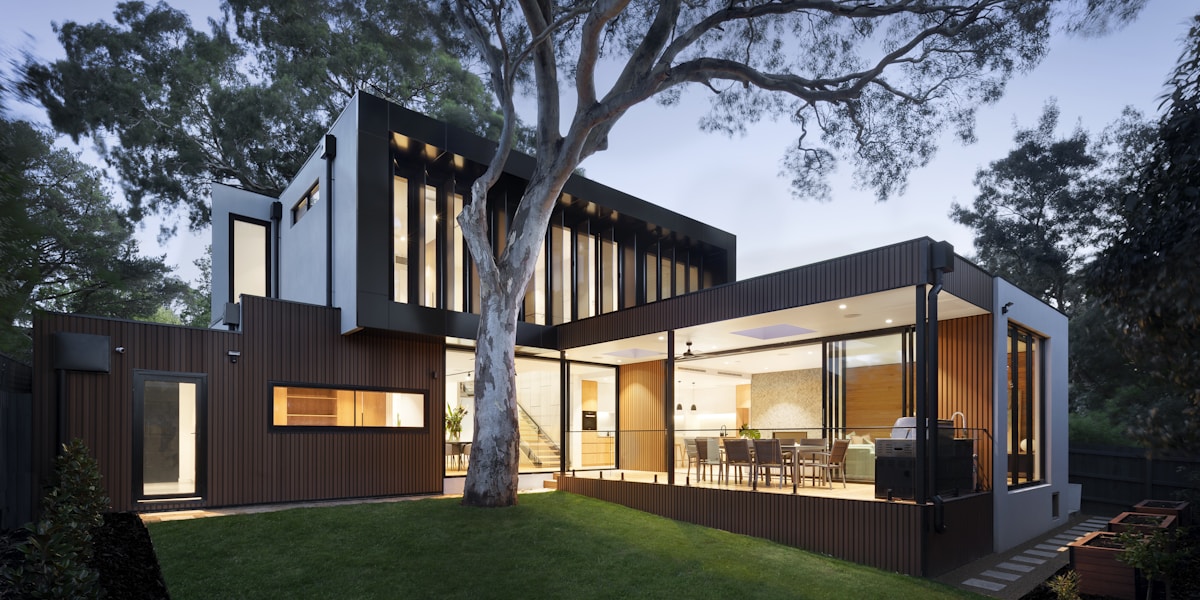
A substantial home expansion at 8303 Prestwick Drive in La Jolla Shores received approval from the La Jolla Shores Permit Review Committee on February 19, 2026, after appearing before the committee for the third time. The project, designed by Island Architects, will transform a modest one-story home on a 1.04-acre lot into a 6,169-square-foot three-story residence—adding 3,644 square feet to the existing 2,525-square-foot structure.
Despite opposition from approximately 35 residents across 25 properties, the committee voted 4-2 to recommend approval. Neighbors raised concerns about bulk, scale, and precedent-setting impacts on their street. However, Island Architects' collaborative design approach—making modifications between committee appearances to address neighbor feedback—ultimately proved successful.
For homeowners planning major expansions in La Jolla Shores, Pacific Beach, Mission Beach, or Bird Rock, this case study demonstrates that neighborhood opposition doesn't automatically kill a project. Persistence, responsive design changes, and professional community engagement can overcome resistance. Here's what you need to know about navigating the permit review process when facing community concerns.
Understanding the Three-Appearance Approval Process
The Prestwick Drive expansion appeared before the La Jolla Shores Permit Review Committee three times before receiving approval—a timeline that might seem excessive but is actually standard practice for substantial coastal projects. Each appearance served a specific purpose: the first introduced the project scope, the second presented initial design modifications in response to neighbor concerns, and the third demonstrated final refinements that addressed remaining objections.
This iterative process isn't a bureaucratic obstacle but rather a structured opportunity to build community support through tangible compromise. Between the February and March 2026 appearances, Island Architects removed planned deck columns, adjusted bathroom setbacks, and relocated windows for enhanced privacy—changes that demonstrated good-faith engagement with neighbor concerns. Similar to the Pacific Beach 239-foot tower controversy, scale concerns dominated the discussion, but unlike that project, the Prestwick Drive team succeeded by making visible concessions at each stage.
The three-appearance timeline actually provides strategic advantages for applicants. It allows time for direct neighbor meetings between formal committee sessions, demonstrates responsiveness to community input rather than rigid adherence to initial plans, and creates documentation of collaborative effort that hearing officers value when making final approval decisions. For projects adding 2,000+ square feet in established coastal neighborhoods, homeowners should budget for this extended timeline from the outset rather than viewing multiple appearances as project failures. Working with experienced contractors who specialize in coastal permit navigation can streamline this process significantly.
Island Architects' Collaborative Design Strategy
Island Architects' approach at 8303 Prestwick Drive provides a replicable template for handling neighborhood opposition through professional design diplomacy. The firm, which has over 25 years of experience with La Jolla Shores coastal projects, took over from the original architect specifically because the homeowners "learned they required different permits for remodeling 50% of the home." This mid-project transition demonstrates the value of working with architects who deeply understand coastal permit navigation from the initial design phase.
The collaborative strategy focused on three key areas: privacy protection through window placement adjustments, visual bulk reduction through massing modifications, and setback enhancements at property boundaries. Rather than defending the original design against all objections, Island Architects treated neighbor feedback as legitimate design input. When residents expressed concern about the northeast bathroom corner's proximity to neighboring property, the architects offered setback adjustments. When deck columns raised visual bulk concerns, they redesigned the deck structure to eliminate them entirely.
This approach contrasts sharply with confrontational strategies that treat community review as adversarial. By demonstrating flexibility on secondary design elements while maintaining the project's core square footage and functional program, Island Architects protected the homeowners' expansion goals while building approval momentum. The final 4-2 vote, though narrow, reflected sufficient committee confidence to recommend approval to the City of San Diego hearing officer—the decision-maker who ultimately controls project fate.
Permit Requirements for Major Coastal Additions
Expanding a coastal home by 3,644 square feet—as at Prestwick Drive—triggers multiple permit requirements that many homeowners don't anticipate during initial planning. The project required "different permits for remodeling 50% of the home," a threshold that dramatically changes the approval pathway. Rather than straightforward building permits, homeowners face discretionary review processes involving Coastal Development Permits, Site Development Permits, and potential Neighborhood Development Permits.
Coastal Development Permits (CDPs) are mandatory for work within California's Coastal Zone, which includes all of La Jolla Shores, Pacific Beach, and Mission Beach. The CDP process involves review by local community planning groups, City of San Diego hearing officers, and potential California Coastal Commission appeals if projects involve controversial coastal access or view protection issues. For the 1.04-acre Prestwick Drive lot, the CDP evaluation considered bulk and scale impacts on neighborhood character—factors that extend far beyond basic building code compliance. Similar permit complexities affect other major coastal projects, including the La Jolla Cove hotel renovation, which faced an 18-month construction timeline due to coastal permit requirements.
Site Development Permits (SDPs) trigger Process 3 review by City hearing officers for residential projects involving discretionary decisions about design, massing, and community compatibility. This process mandates community planning group review before City decisions, which explains why the La Jolla Shores Permit Review Committee plays such a crucial role. Total permit costs for a project of this magnitude typically range from $50,000-$75,000+ including plan check fees, development impact fees, water/sewer connections, and school fees—a budget line item that surprises homeowners expecting simple building permit expenses.
Successfully Navigating Neighborhood Opposition
The 35 objecting neighbors across 25 properties at Prestwick Drive represent the most challenging scenario for coastal expansion projects: organized, widespread opposition from immediately adjacent homeowners. Yet the project still advanced to City approval, demonstrating that organized opposition doesn't automatically doom well-designed projects that meet legal requirements. The key distinction lies between legitimate design concerns that can be addressed through modifications versus fundamental opposition to any expansion regardless of design quality.
The La Jolla Community Planning Association explicitly recommends that applicants "meet with neighbors early and often to gain their support or at least try to address their concerns"—advice that Island Architects followed meticulously. Between committee appearances, the design team held direct neighbor meetings to discuss specific objection points, leading to the window relocations, setback adjustments, and deck column removal. These modifications addressed legitimate privacy and bulk concerns while maintaining the project's core expansion program. For homeowners planning similar projects, this demonstrates the importance of distinguishing between neighbors who want specific design changes versus those who oppose any expansion.
The 4-2 committee vote reflects the reality that consensus is rarely achievable for substantial coastal expansions in established neighborhoods. What matters is whether the project meets Municipal Code requirements and whether the hearing officer can make required findings for approval. Homeowners should focus their efforts on code compliance, professional architectural design, and good-faith responsiveness to legitimate neighbor concerns rather than seeking to eliminate all opposition. The Prestwick Drive success demonstrates this approach works even when dozens of neighbors formally object, provided the project fundamentally complies with applicable regulations.
Frequently Asked Questions
How many committee appearances are normal for major home expansions in La Jolla Shores?
Two to three committee appearances are completely normal for substantial coastal home expansions, especially when adding 3,000+ square feet or converting single-story homes to multi-story structures. The Prestwick Drive project appeared three times before receiving a 4-2 approval vote, according to the San Diego Union-Tribune.
Multiple appearances typically serve these purposes:
• First appearance: Introduce project scope and initial design
• Second appearance: Present design modifications based on neighbor feedback
• Third appearance: Demonstrate final refinements addressing remaining concerns
Island Architects used the time between meetings to make collaborative design changes, removing planned columns on the deck and adjusting setbacks. The La Jolla Community Planning Association recommends that applicants 'meet with neighbors early and often to gain their support or at least try to address their concerns.' In La Jolla Shores specifically, the Permit Review Committee meets the third Thursday of each month, so expect 1-2 months between appearances if design revisions are needed. This timeline allows for meaningful neighbor collaboration and demonstrates good-faith efforts to address community concerns—factors that improve approval odds.
Does a 4-2 committee vote mean my expansion project is too risky?
No—narrow committee votes like the 4-2 approval at Prestwick Drive reflect normal community tension between property rights and neighborhood character preservation, not project flaws. According to La Jolla permit review records, many successful projects receive split votes, particularly for substantial vertical expansions in established neighborhoods. What matters is whether the project meets legal requirements and whether the hearing officer can make the required findings for approval. The La Jolla Shores Permit Review Committee makes recommendations to the Community Planning Association, which then forwards them to the City of San Diego. The City's hearing officer makes the final decision based on compliance with the Municipal Code and Coastal Development Permit requirements. Homeowners should focus on ensuring their project complies with setback requirements, height limits, lot coverage restrictions, and coastal zone regulations rather than seeking unanimous committee support. The Prestwick Drive project demonstrates that even with 35 objecting neighbors, a well-designed expansion that meets code requirements can advance through the approval process.
What design changes most effectively address neighborhood bulk and scale concerns?
Island Architects' approach at Prestwick Drive provides a proven template: strategic setback adjustments, massing modifications, and enhanced privacy features. Following neighbor requests for collaborative discussion, the architects made these key modifications:
1. Removed planned columns on the deck to reduce visual bulk
2. Adjusted the northeast corner of the primary bathroom to provide larger setback from neighboring property
3. Relocated windows for enhanced privacy
4. Modified massing to step back upper stories
Effective strategies for minimizing perceived bulk include breaking up large massing into smaller visual components, using material transitions between floors, incorporating setback variations rather than flat facades, and adding landscape screening along property lines. For three-story expansions like Prestwick Drive's 2,578-square-foot second floor and 765-square-foot third floor, stepping back upper stories reduces visual impact on adjacent properties. The City of San Diego Development Services reviews architectural plans for compatibility with neighborhood character. Working with experienced coastal architects familiar with La Jolla Shores design standards—like Island Architects, which has over 25 years of experience in the area—significantly improves approval success rates.
How long does the La Jolla Shores Permit Review Committee approval process typically take?
Expect 4-8 months from initial submission to hearing officer approval for substantial home expansions, with timeline variations based on project complexity and community response. The La Jolla Community Planning Association requires 1-2 weeks advance notice to place projects on agendas, and committees meet monthly. The typical sequence involves: (1) Permit Review Committee review (third Thursday monthly), (2) Development Permit Review Committee consideration (second and third Tuesday), (3) Community Planning Association ratification, and (4) City hearing officer decision. Each step adds 2-4 weeks to the timeline. Projects requiring design modifications between appearances—like the three-appearance Prestwick Drive project—add approximately 6-8 weeks per revision cycle. City of San Diego processing timelines show that overall single-family dwelling permit processing typically takes six months to one year from submittal to permit issuance. Coastal Development Permits in areas near beaches or bluffs can face California Coastal Commission appeals, potentially adding 2-3 months. Budget 8-12 months for complex expansions in La Jolla Shores when community engagement is required.
What permits are required for adding 3,000+ square feet to a coastal home?
Substantial coastal home expansions triggering 50% or more remodeling typically require multiple permit types. The Prestwick Drive project needed permits because the applicants learned they required 'different permits for remodeling 50% of the home,' according to Union-Tribune coverage, which is why Island Architects took over from the original architect.
Projects in La Jolla Shores' coastal zone require:
1. Coastal Development Permit (CDP) - for work within the California Coastal Zone
2. Site Development Permit (SDP) - for discretionary review by community planning groups
3. Building Permit - for construction authorization
4. Neighborhood Development Permit (NDP) - potentially required for projects in planned districts
The City of San Diego processes discretionary permits through hearing officers (Process 3) for most residential projects. Permit fees vary based on project valuation but typically range from $5,000-$15,000 for discretionary review plus building permit fees calculated by square footage and construction value. Plan check, development impact fees, water/sewer connections, and school fees add to total costs. For a 3,644-square-foot addition like Prestwick Drive, budget $50,000-$75,000+ in total permit-related costs.
How can Pacific Beach and Mission Beach homeowners apply these La Jolla Shores lessons?
The collaborative design strategy that succeeded at Prestwick Drive applies directly to expansions throughout coastal San Diego neighborhoods. Pacific Beach, Mission Beach, and Bird Rock face similar community review processes through the Pacific Beach Planning Group and face comparable concerns about bulk, scale, and neighborhood character preservation.
Key transferable lessons include:
1. Engage neighbors early before first committee appearance
2. Budget 6-12 months for the full approval process when adding 2,000+ square feet
3. Work with architects experienced in coastal permit navigation like Island Architects
4. Prepare for 2-3 committee appearances on controversial projects
5. Make visible design concessions addressing legitimate neighbor concerns about privacy, setbacks, and visual impact
Pacific Beach's 239-foot high-rise project controversy demonstrates that scale concerns cross neighborhood boundaries. Even narrow 4-2 approval votes like Prestwick Drive's represent success when projects meet code requirements. The most important factor is demonstrating responsiveness to community input through tangible design modifications rather than seeking to eliminate all opposition. This collaborative approach, backed by professional architectural expertise, provides the most reliable path to approval for substantial coastal home expansions.
Sources & References
All information verified from official sources as of February 2026.
- ▪
- ▪ Project Review - La Jolla Community Planning Association (official source)
- ▪ Discretionary Permit - City of San Diego Development Services (official source)
- ▪ Island Architects About (company source)
- ▪ Permit Processing Timeline - City of San Diego Development Services (official source)
- ▪ Land Use Regulations - La Jolla Community Planning Association (official source)
- ▪
- ▪